students enrolled, each placed in an intentionally small class of fewer than 10.
Cultivating Servant Leaders
Innovative. Research-based. Experiential.
Grades 2–12 in classes of fewer than 10, on our Durham campus, serving families from Durham, Raleigh and across the Triangle.
Elementary
Middle
High School
Grades 2–12
FaithKnowledgeCharacterCommunity
<10
Students per class,
every child known
every child known
2–12
Grades served,
second to twelfth
second to twelfth
13+
Years of licensed therapy
behind our SEL curriculum
behind our SEL curriculum
5
Days of experiential
learning every week
learning every week
2025–2026
What last year actually produced
food boxes packed and distributed with local food pantries and the food bank, serving area families in need.
hours of volunteer community service performed by our students.
average growth in math and in reading on NWEA MAP Growth.
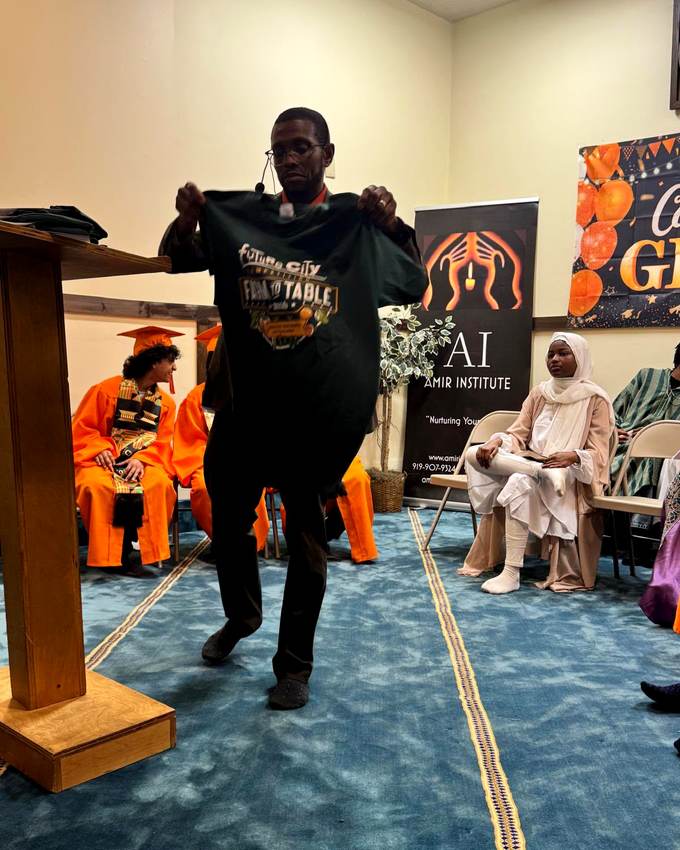
- Honorable Mention, Future City Competition for our “From Farm to Table” initiative.
- Lecture series with scholars from the University of North Carolina at Chapel Hill, North Carolina State and Duke University.
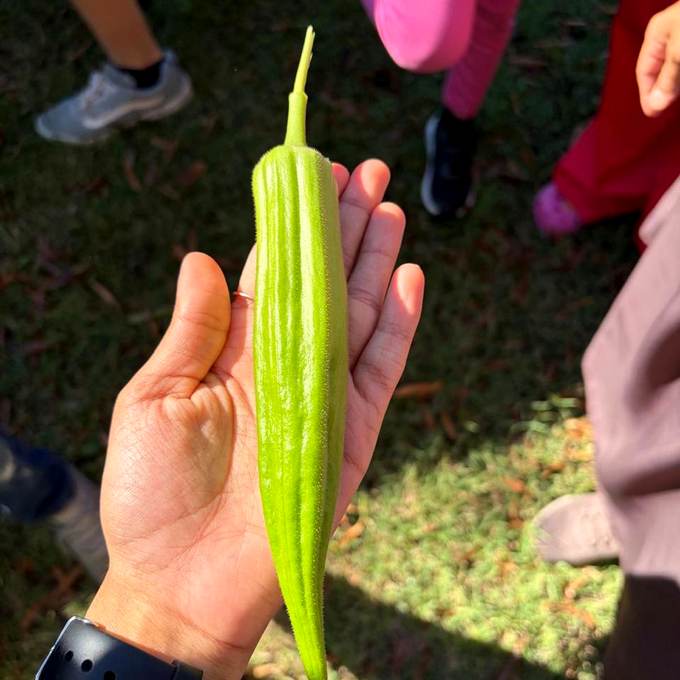
- Farm to Family. Students harvested crops with our partner farms and delivered them to our food pantry partners.
What we teach
Our Curriculum
We spark curiosity and academic excellence through a rigorous, research-based curriculum built for hands-on discovery. We pair proven programs with a tailored Multi-Tiered System of Supports, so every child gets a blend of the exact supports and challenges they need.
The core
Math in Focus
Daily math that builds deep understanding through concrete, visual and real-world problem solving.
HMH Into Reading and Into Literature
Daily reading, writing and discussion that build strong, confident readers through high school.
Multi-Tiered System of Supports
Each child gets the right level of support or challenge, adjusted as they grow.
Learning anytime, anywhere
Multisensory lessons in class, plus 24/7 access to print and digital resources at home.
Beyond the core
Mind and body
Students learn to understand their emotions, stay focused, care for others and make ethical choices through SEE Learning, developed at Emory University and led by a licensed therapist. Our martial arts instructor then leads Embodied Agility, where those same skills are practiced through movement.
Islamic Studies and Leadership
Students memorize surahs from the Qur’an and learn the meaning behind them, building character and servant leadership. Open to students of all faiths.
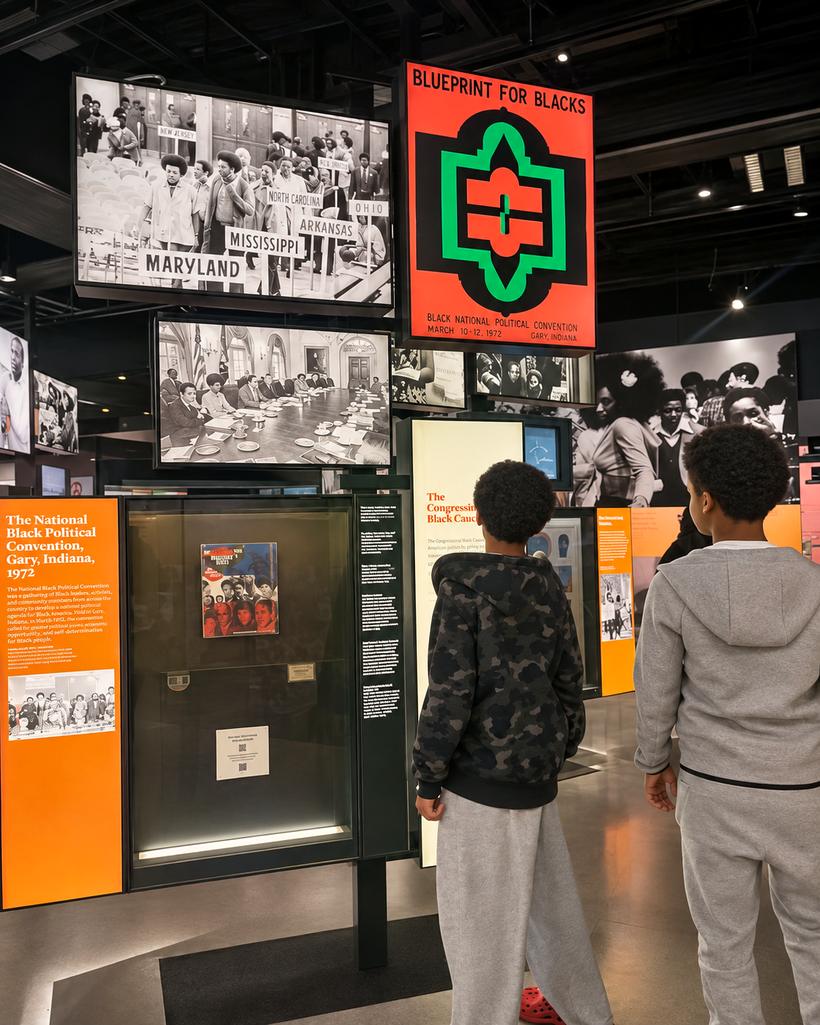
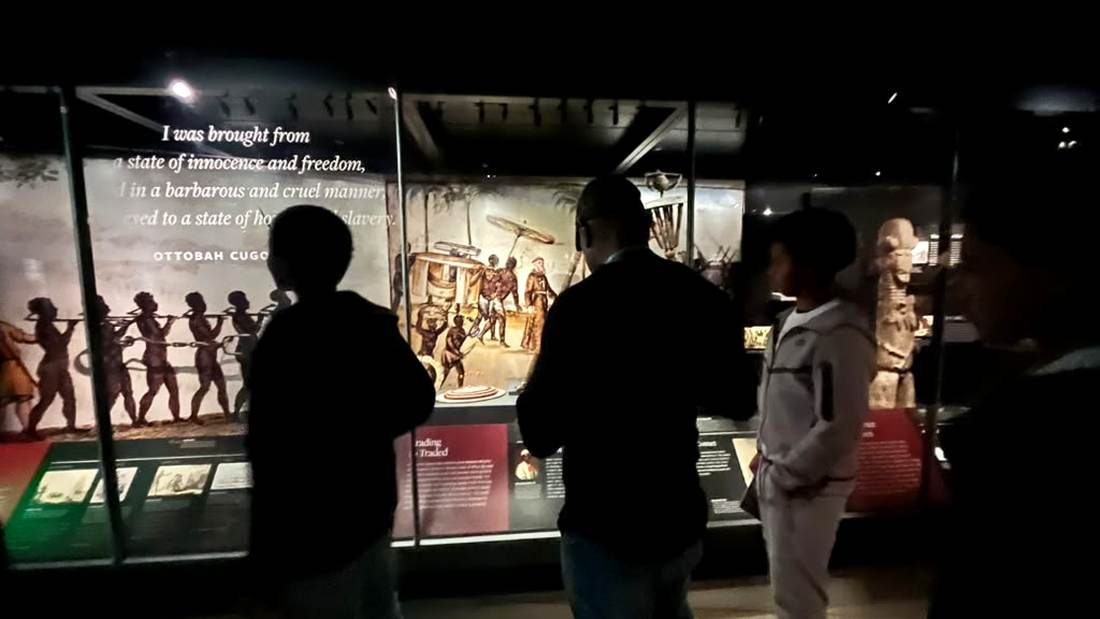
Islamic and African American history
Students see themselves in the story and learn from the leaders who shaped it.
College courses, grades 9–12
Tuition-free dual enrollment at Durham Tech and Wake Tech.
What makes our school different
Academically rigorous. Socratic. Known by name.
- Small classes. Fewer than 10 students, so every child is known by name, personality, strength and need.
- Socratic and Montessori-informed. Students ask questions, explain their thinking and learn at their own pace.
- Learning from scholars. Dr. Youssef Carter (UNC-Chapel Hill) on anthropology; our founder, Dr. Zainab Qaabidh (NC State), on building capacity as a leader; and Dr. Ilyasah Shabazz, author and daughter of Malcolm X, at Duke on resilience and family.
- Every learner supported. We partner with families to honor IEP accommodations and private school learning plans.
- Passionate educators. Our educators come from many faiths and backgrounds, and each one is passionate about what they teach.
How we teach it
Our STEEAM approach
Science, Technology, Engineering, Emotional Intelligence & Embodied Agility, Arts, and Math. STEEAM educates the whole child: mind, heart and body.
Science
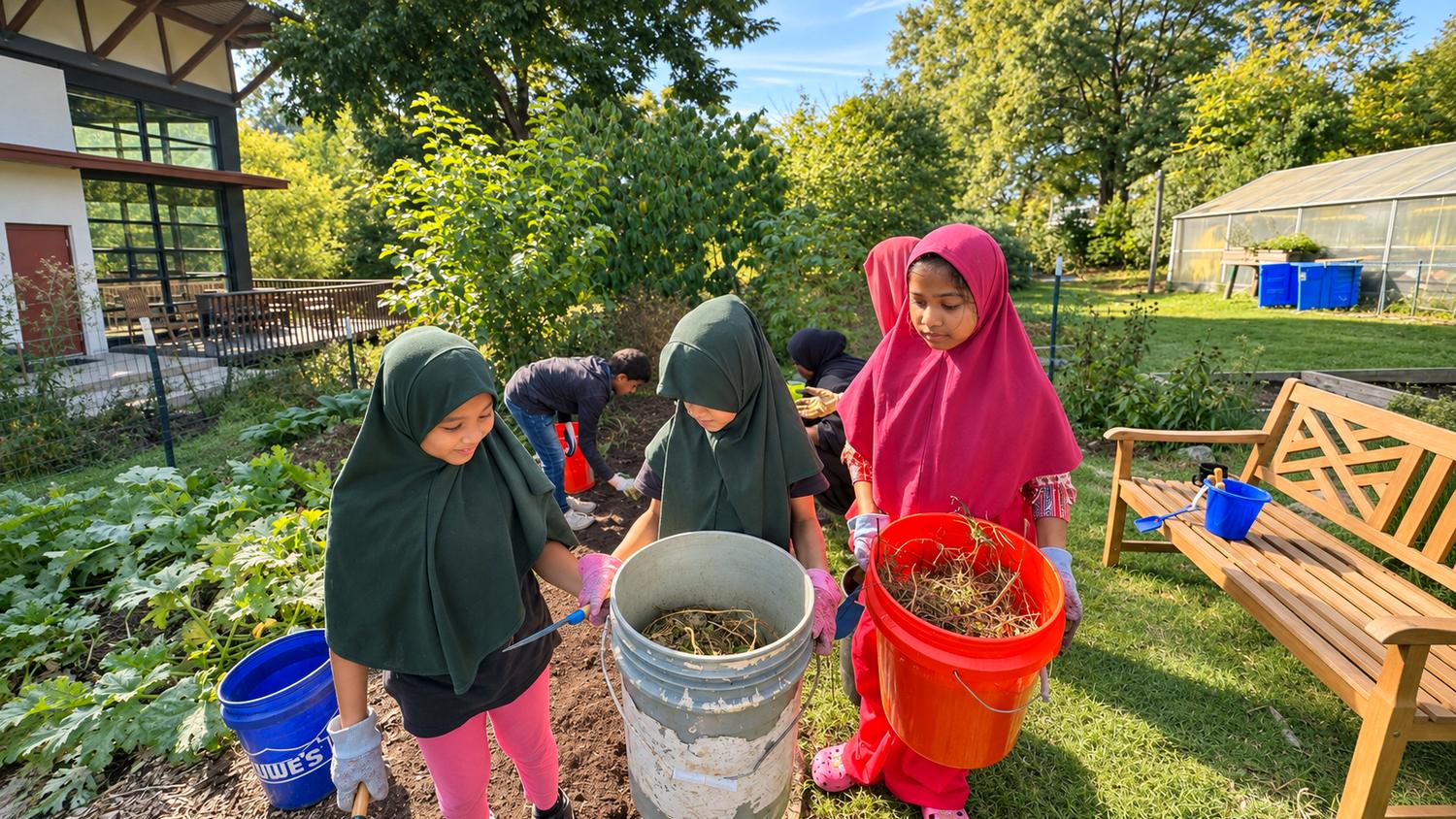
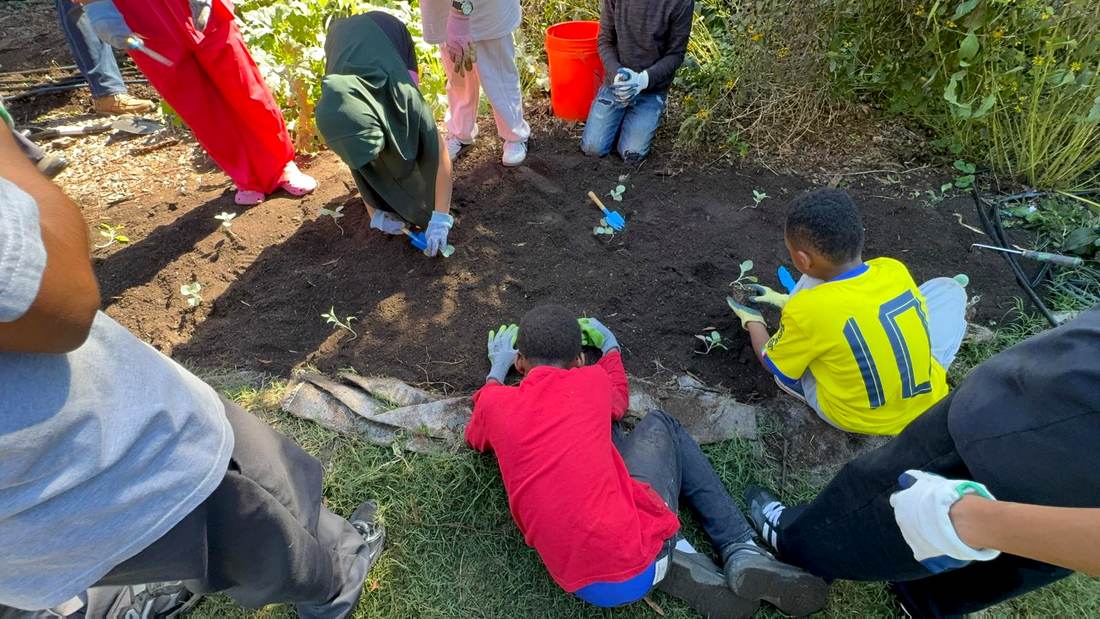
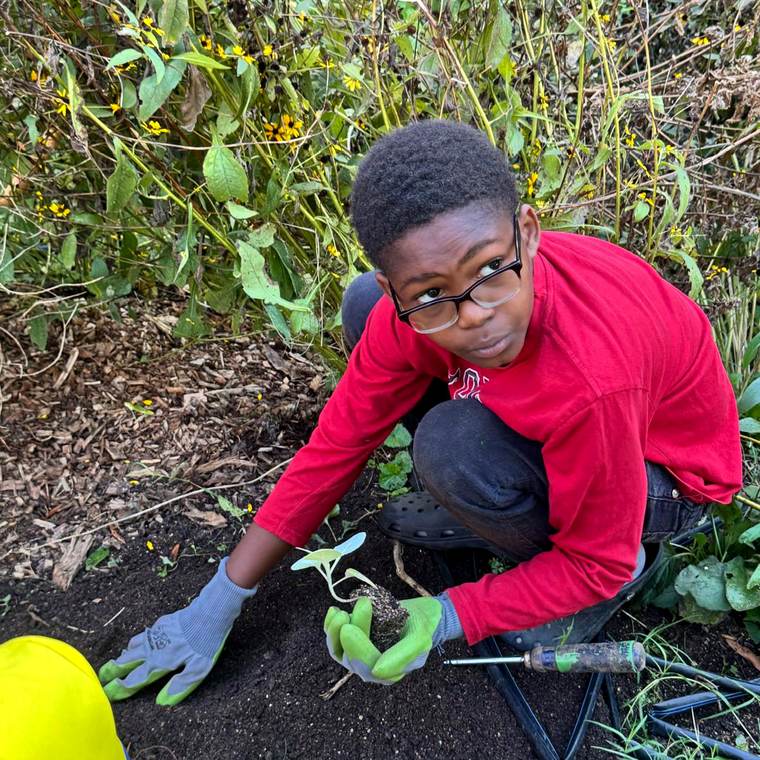
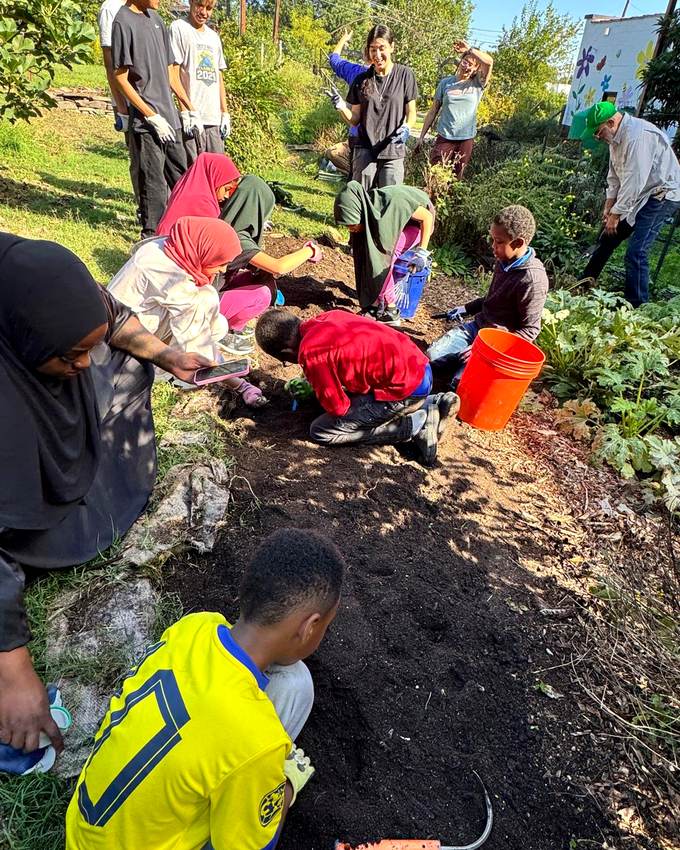
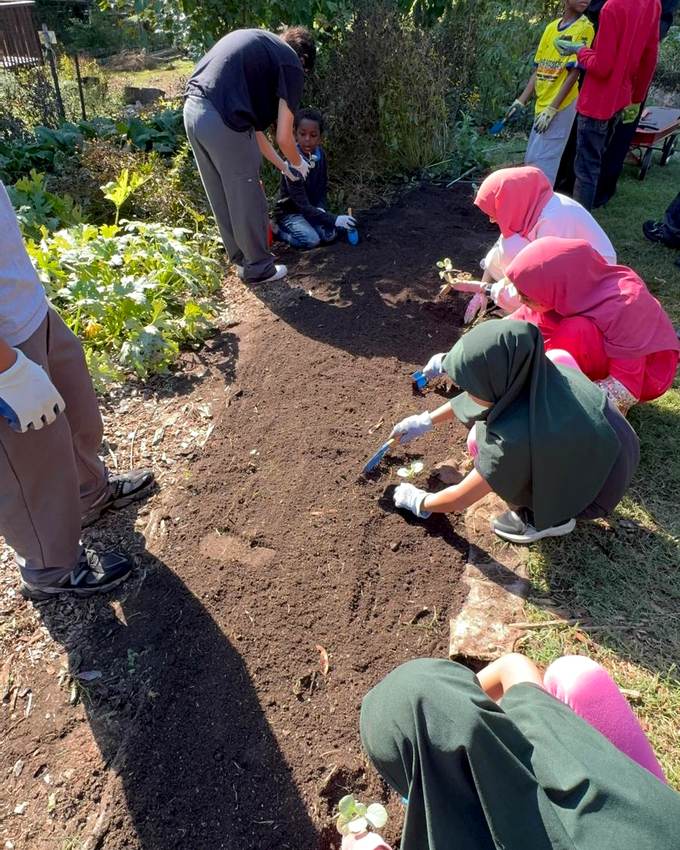
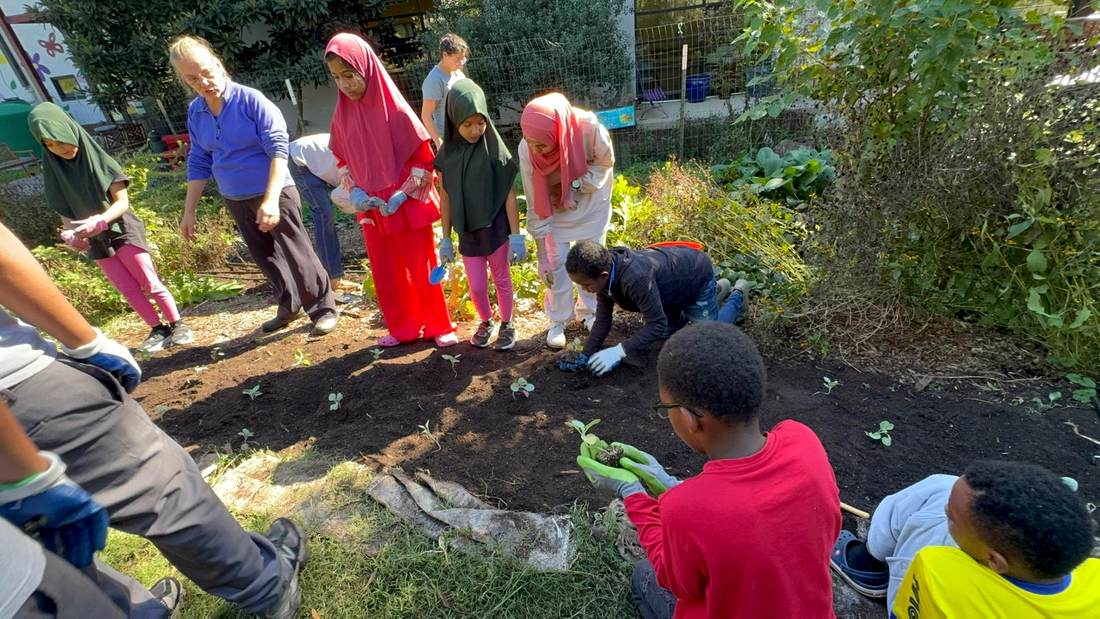
Hands-on lab work, plus gardening at SEEDS for elementary students and growing crops and caring for livestock on our partner farms.
Technology
Digital literacy, coding and online safety, woven through the week.
Engineering
Students design and build real solutions to problems they can see in their own community, then test them and build them again.
Emotional Intelligence & Embodied Agility
Students learn to name their feelings, pause before reacting and choose what’s right — then put it into motion through martial arts and movement.
Arts
Creative writing, arts and crafts, drumming and storytelling, with opportunities to share at Open Mic Nights.
Math
Daily Math in Focus, applied to real work like packing and tracking 3,500+ food boxes.
Experiential learning
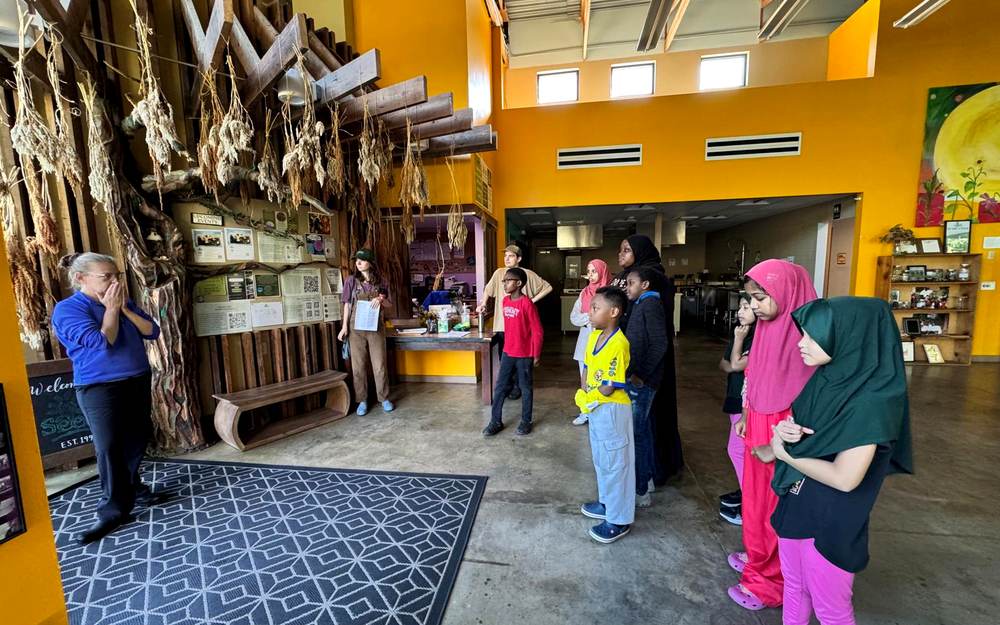
A week of learning at Amir
Swimming, farming, service and the arts — every week.
Monday
Boys Swimming
Confidence, discipline and physical wellness in the water.
Tuesday
Girls Swimming
The same program, so every student gets time in the pool.
All week
Farm & Garden
Students grow actual crops — agriculture, science and environmental stewardship.
All week
Food-Pantry Service
Packing and distributing boxes to neighbors — math, organization, responsibility.
Friday
Community & Service Learning
Cultural learning that builds identity, pride and civic engagement.
Technology, arts & work-studyDigital literacy, creative expression and real-world application woven through the week.
Afterschool S.T.E.A.M.Open to public, private and charter school students in the community — a safe space to explore next-generation learning.
Why "Servant Leaders"
Students don't just read about leadership. They practice it.
Students grow food that feeds neighbors, pack pantry boxes and mentor younger students. Leadership here is a habit, not a title.
And it works. Parents tell us their children who struggled in traditional classrooms now love learning.
Safety awarenessStudents learn to recognize risk, set boundaries and ask for help — taught by a licensed therapist, not improvised.
Communication & problem-solvingSocratic discussion means students explain their reasoning out loud, every day.
Emotional awareness & coping skillsIntegrated into the school day so students build regulation alongside reading and math.
Trauma-informed supportTeachers understand how trauma affects learning and behavior, and respond accordingly.
More than a school
Enrolling here connects your family to everything else
One community: a student's support, a parent's job search and a household's food access.
Wellness
Whole Child Wellness
Preventive health education, mental-health literacy, trauma-informed student support and family referrals.
Learn more →
Family support
Pantry & practical help
Food-pantry access, job-readiness support, parenting workshops and essential-needs assistance.
Learn more →
Beyond the school week
Youth development
Saturday Leadership Academy, Summer Recovery and Future Leaders — for students who want more.
Learn more →
Younger siblings
The Garden
Our early childhood care and daycare program — Parent + Me and kindergarten readiness for the youngest children.
Visit The Garden →Beyond the classroom
Where the learning actually lands
Practiced, not lectured.
In the garden
Learning beyond the building
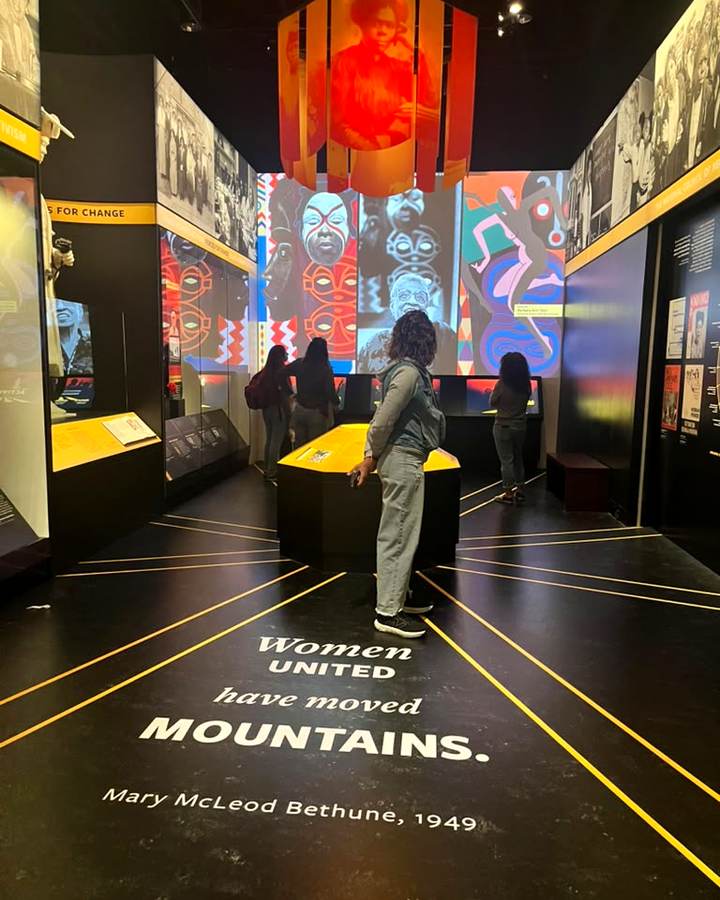
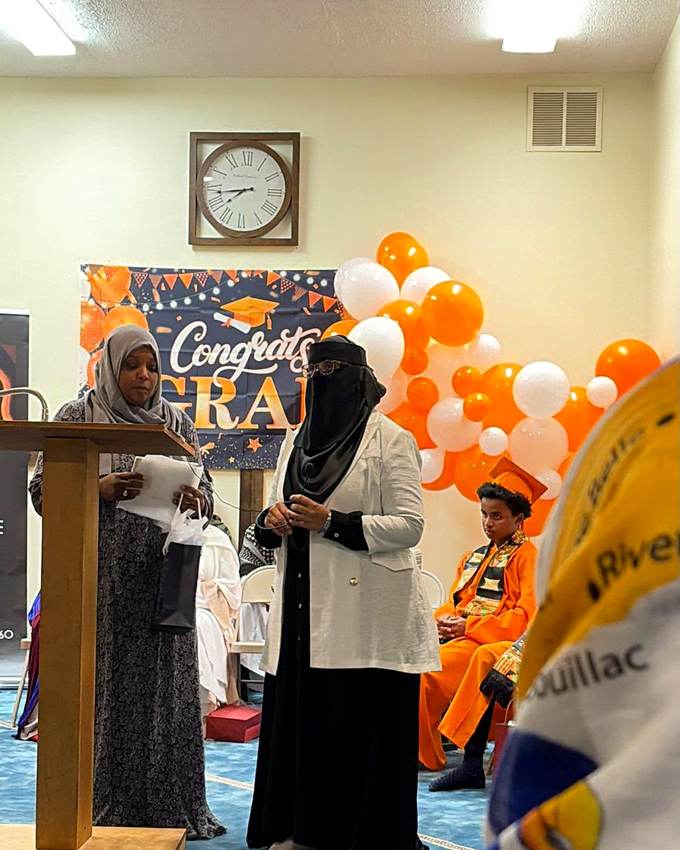
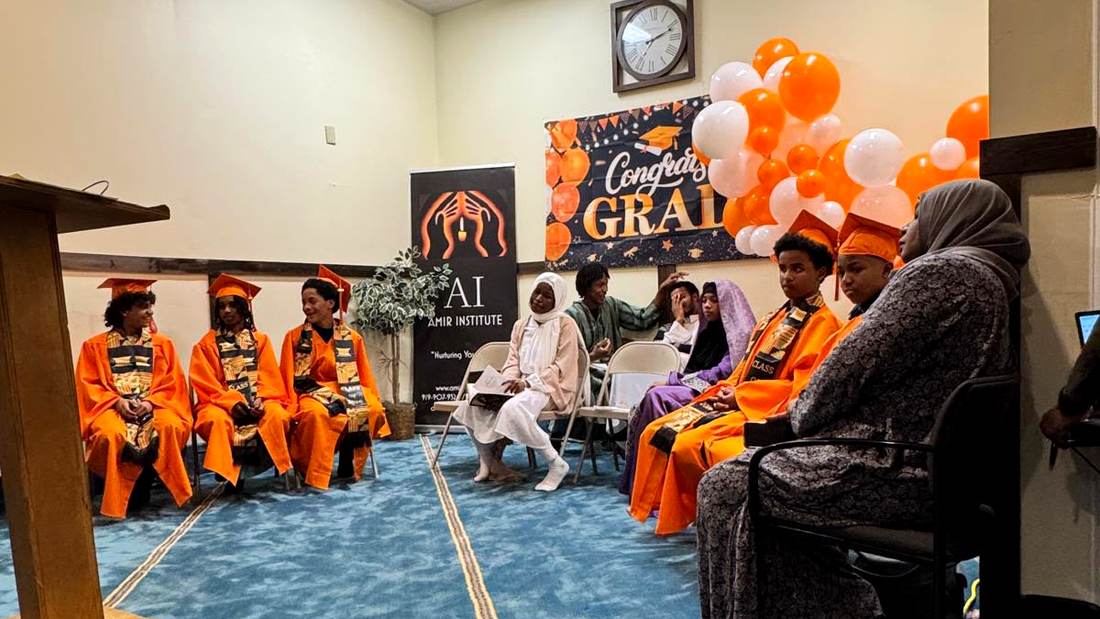
Graduation
What parents tell us
In their words
Students who felt invisible in 30-student classes now have teachers who know their names, their learning styles, and exactly what they need to succeed.
Children ask to go to school on weekends, because they finally found a place where they belong.
Grades 9–12
Earn college credit in high school
Through North Carolina’s Career and College Promise program, eligible students in grades 9–12 are able to take tuition-free courses at Durham Tech and Wake Tech, working toward a college degree or a job certificate before graduation.
Some course fees may apply.
Ways to pay
Making Amir affordable
NC ESA+
We accept North Carolina Education Student Accounts.
NC Opportunity Scholarship
We accept the North Carolina Opportunity Scholarship.
Talk it through
Contact us for tuition, and our team will walk you through your options.
Thinking about enrolling?
Tell us about your child and we’ll walk you through grade placement, tuition, ways to pay and the support available alongside the classroom. Not ready for full-time? Ask about our à la carte classes.
Current families: visit the Parents page.